From Maps to Apps: How Travel Has Changed Completely
Imagine arriving in Venice today without a hotel reservation. It would be a nightmare, right? Yet years ago, when global booking options were scarce, that is exactly what many travelers did—including my husband and me.
Back when we first started traveling to Europe, the experience was entirely different. We would often decide to go on a whim. We barely had time to purchase tickets, rent a car, and pack our bags before we were off on an adventure.
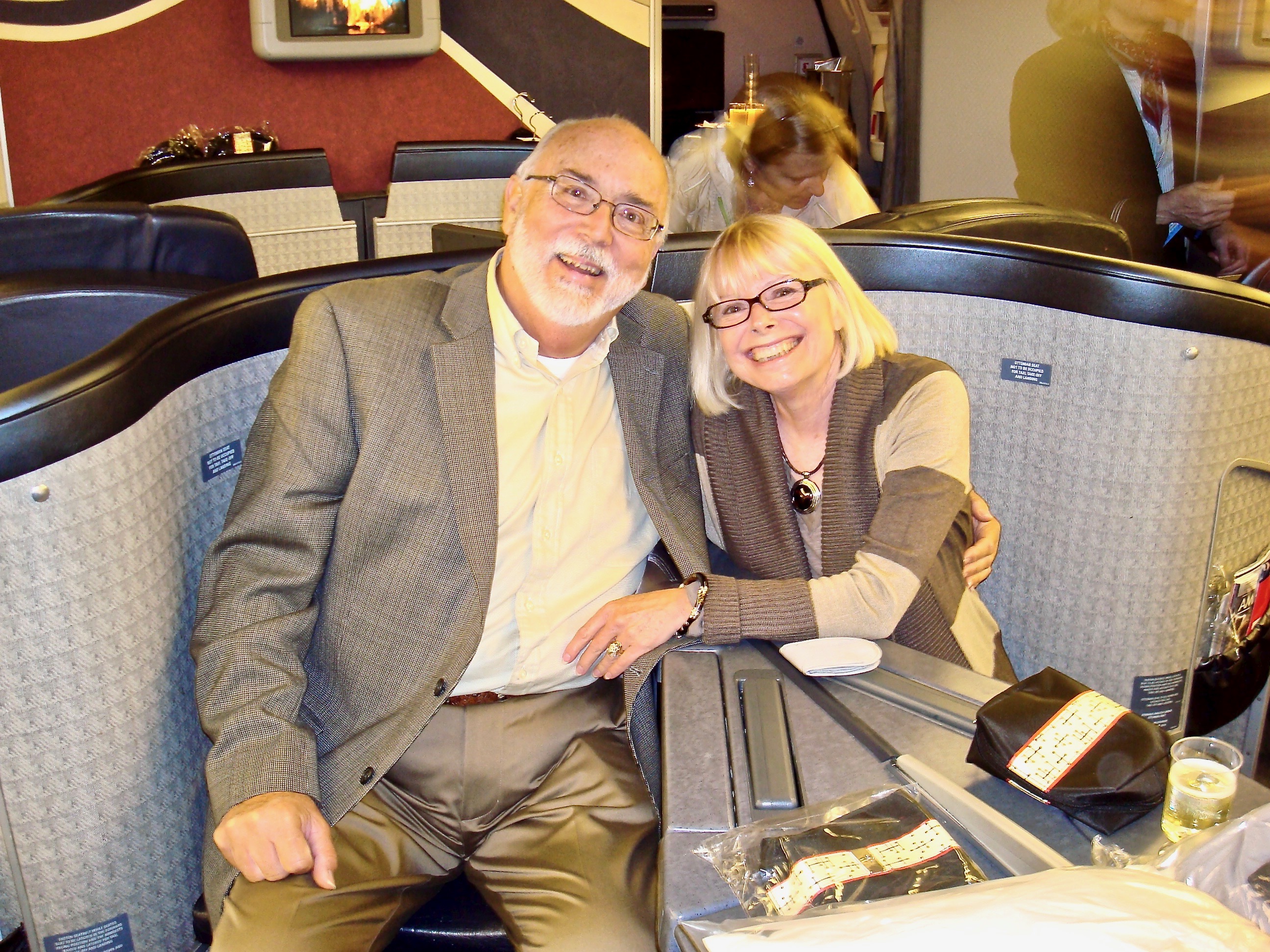
One year, upon arriving in Venice, we parked our car in the central garage and headed straight to the local tourist office. Guidebook in hand and unable to speak a word of Italian, we asked for help. The agent picked up the phone, called the exact hotel we wanted, and booked us a beautiful room overlooking the Grand Canal.
Traveling Without a Reservation: A Shift from Spontaneity to Digital Planning
That spontaneous era remains a magical memory, but travel has changed completely. Today, we would never dream of traveling without a reservation. Those bustling local tourist desks have been replaced by apps and digital itineraries secured before we even pack a bag.
But while we lose a bit of that old serendipity, we gain a world of efficiency. Modern technology has made exploring the world safer, faster, and more accessible than ever. But to appreciate just how far we’ve come, you have to look back at how we used to manage.
Before the Google Revolution: Old School Travel in the ’80s and ’90s\
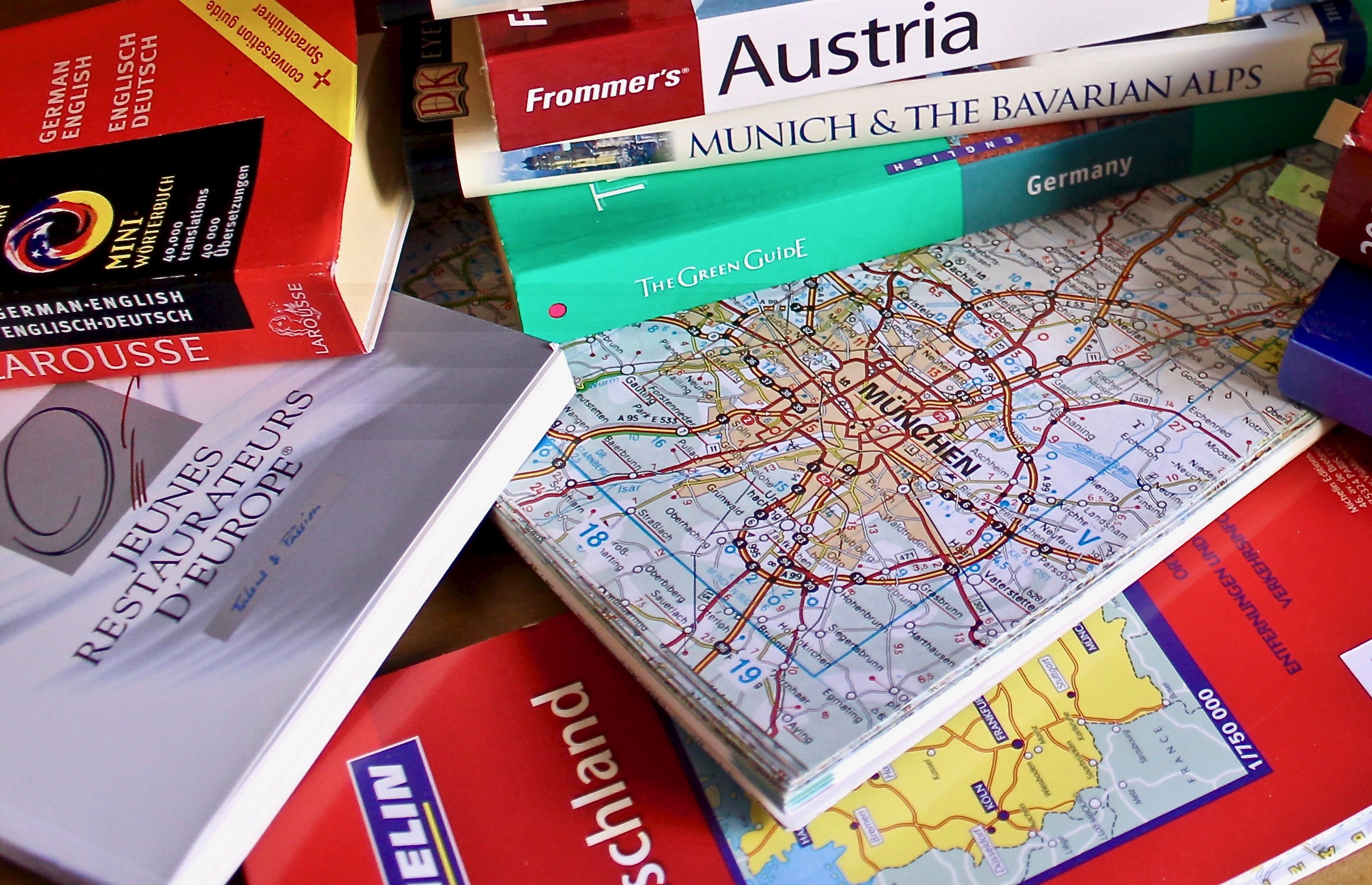
In the ’80s and ’90s, bookstore aisles were packed with Rick Steves’ Europe Through The Back Door, Fodor’s, Gault & Millau, and Michelin guides. Back then, planning a road trip meant managing a mountain of physical materials. We used giant paper roadmaps that we folded and refolded but that somehow never went back together quite right.
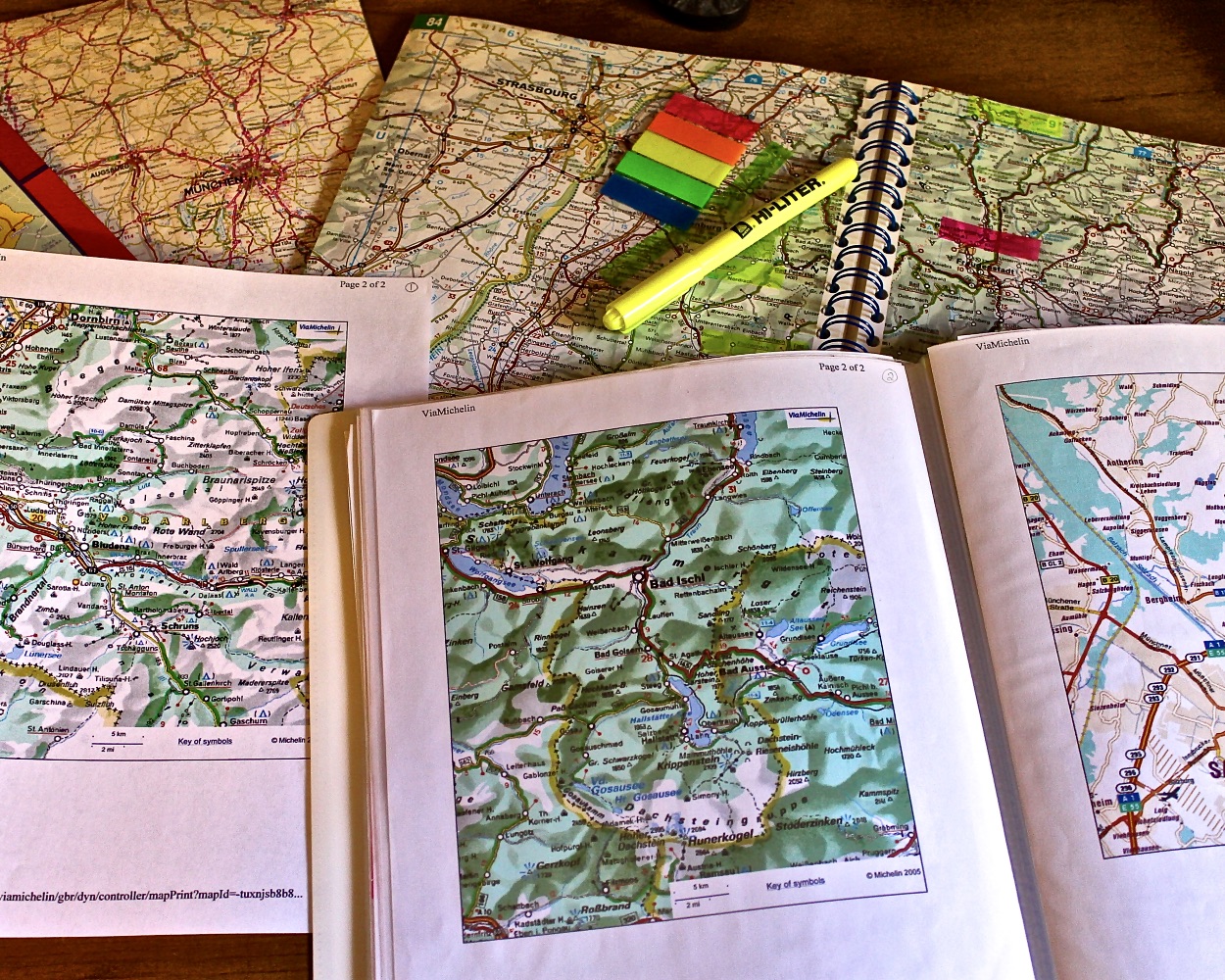
Later, I started scanning and printing specific map pages for our route, slipping them into plastic sleeves inside a binder to create a custom, compact map book. If we got lost while traveling, our only option was to pull over and ask a local for directions, just hoping nothing was lost in translation.
The Shift to the Digital Safety Net: Traveling with Smartphones
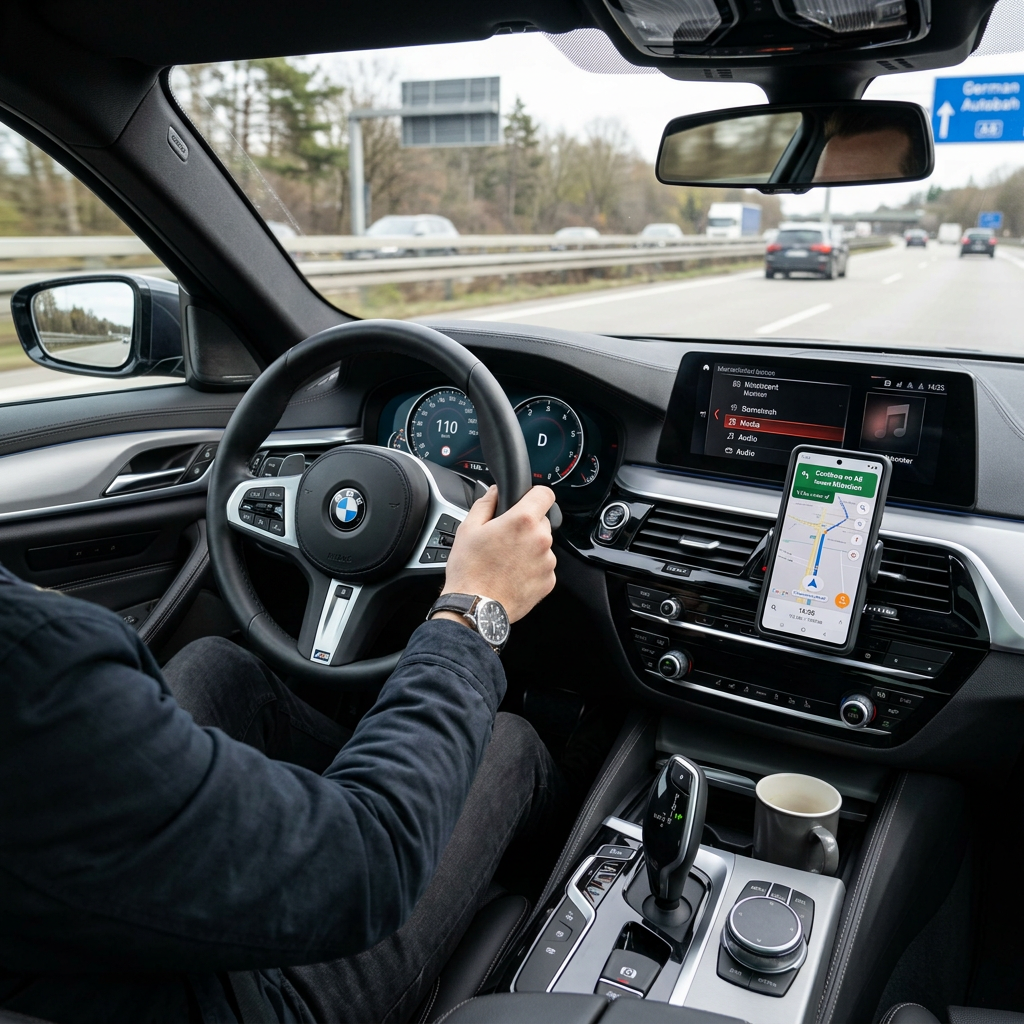
While getting lost used to be a mandatory travel rite of passage, having Google Maps in your pocket takes away all that heavy navigation stress. Getting from point A to point B is incredibly smooth these days. Of course, technology loves to glitch right when you need it most. I still tuck a printed backup map into my bag just in case.
But do you know the absolute best part? Being “the navigator” is no longer a high stress, sometimes quarrel-inducing job. Now, I am completely free to actually look out the window and enjoy the beautiful scenery… at least for the most part.
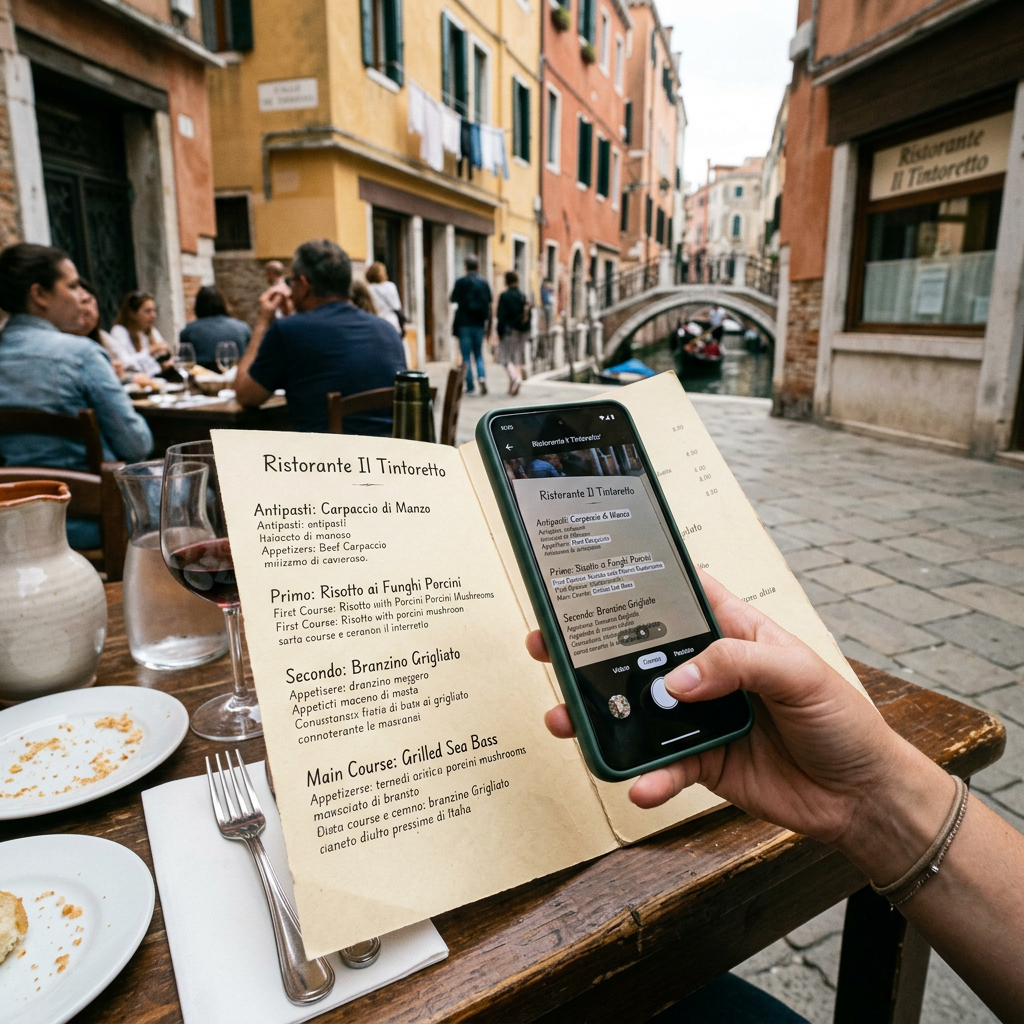
Beyond keeping us on the right road, our smartphones have truly turned into the ultimate travel buddies. Today, the entire world is mapped, reviewed, and translated in real-time. With a few taps, we can look up flight prices, read honest reviews from fellow travelers, and even read signs and menus instantly just by pointing our phone cameras at them.
Redefining Spontaneous Travel in a Digital World
But here’s the good news: all this digital convenience doesn’t mean the magic of spontaneity is dead. It has just evolved! In the past, being spontaneous felt like a huge roll of the dice…like showing up in Venice with absolutely nowhere to sleep. Today, technology acts as our ultimate safety net.
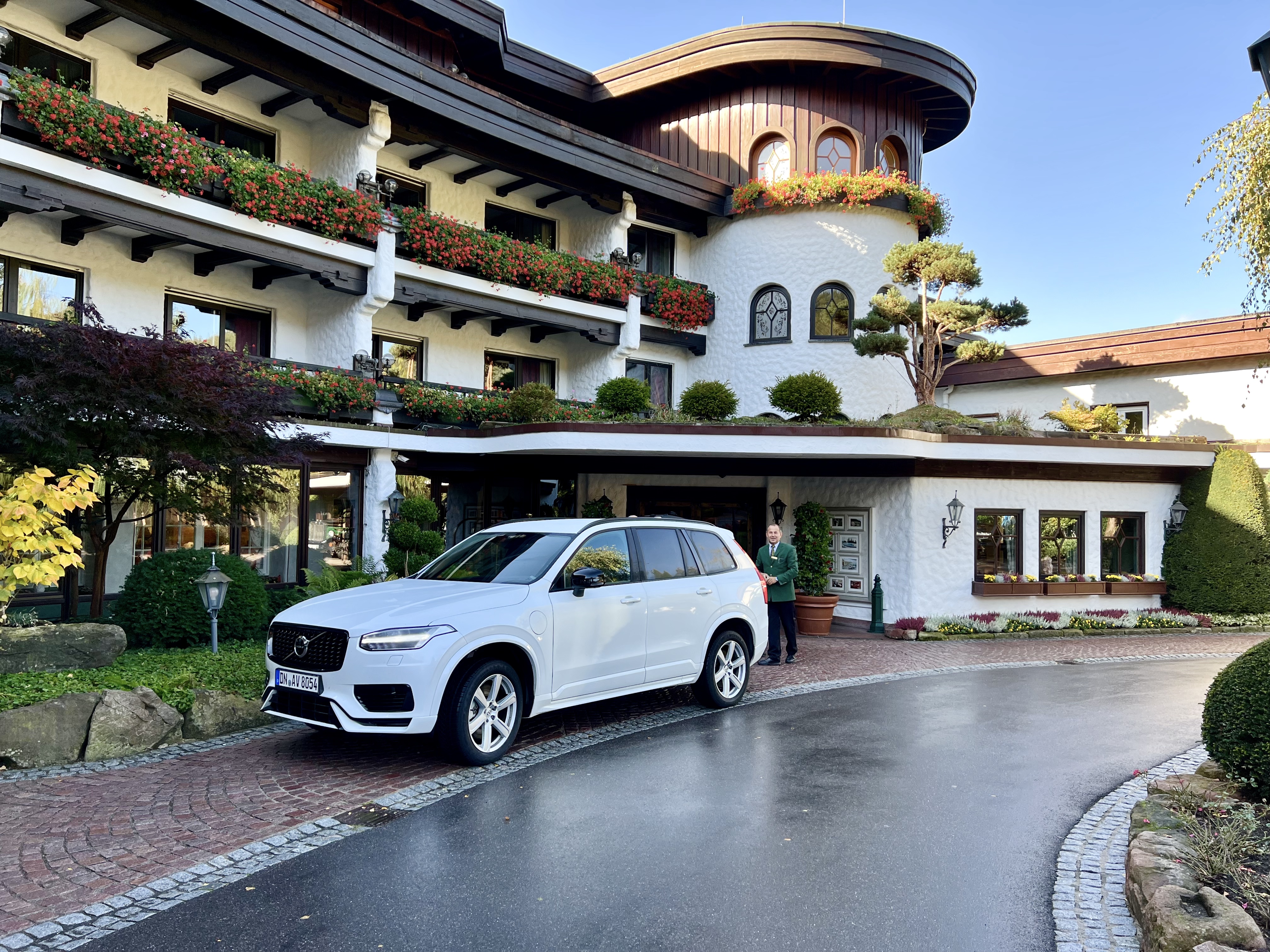
My husband and I have driven throughout France, Italy, Switzerland, Germany, and Austria. We have seen and experienced more than your average tourist who takes a group tour or travels strictly by train or bus. We have always had a great time, but it has certainly gotten easier with the help of technology.
Because we can track down a lovely, highly rated hotel or a fantastic little neighborhood bistro in a matter of seconds right from our phones, we don’t have to follow a strict, stressful schedule. Instead, we have the total freedom to take a random turn down a beautiful, unmarked country road just to see where it leads, knowing we can always find our way back.
I highly encourage you to rent a car the next time you plan a trip to Europe. The roads are great, the highway signage is as good if not better than in the United States, and with GPS and Google Maps, you can easily enjoy the charming small towns that most tourists never get to see. You can stop for a quick photo whenever a fantastic scene comes into view, pull over when you spot a roadside restaurant overlooking the water, or stop simply because you feel like stretching your legs.
So, don’t be afraid to be independent travelers. Pack your bags, download your apps, but leave plenty of room for the unexpected. The world is still out there waiting to be discovered… and now, it’s easier than ever to enjoy the ride.
****
What about you? Do you miss the days of spontaneous, guidebook-led travel, or do you prefer the peace of mind that digital apps provide? Tell me do you still keep a paper roadmaps just in ? Let me know in the comments below.

Great piece, Karen, and I agree. Embracing the technology can make a trip better and less stressful. I do like to look at a map of a country or city I’m visiting to get a sense of where everything is, but I usually do that online.
Honestly, I do miss those spontaneous days. I remember rolling into towns on the train and going to the tourist office, as you did, and getting wonderful accommodations I never expected. However, as you say, things have changed significantly. You can’t even go to a restaurant without a reservation these days. When we were in Paris, our friends decided they wanted to go to dinner one night and I asked if they had any reservations. They didn’t, and it took them six tries to find a restaurant that could take them. Unlike you, though, I really dislike driving in Europe. I’m always the driver, and it seems every time I try I run into issues. ($500 tickets for driving in an unmarked historic area, for example.) So we’re at the point now where we just take trains and try to find small towns that are on train routes. And, on occasion, we hire a driver. Another thing is buying tickets for attractions in advance (which is now required more often than not) but having no way to print them. Yes, we have to learn to work with our phones.
Sadly, these days, mass tourism has everything over subscribed. I found some slides of Barcelona recently, that I took 40 years ago (stock footage for a photo library). I had to buy a second hand projector to view them and I was so surprised when I did. I shot the pictures in Spring, so not the height of the season, but what amazed me was a complete lack of people at the most popular sites, such as La Sagrada Familia and Parc Güell. Back then all the tourist spots were free and one could just turn up. These days you have to pay in advance for a timed ticket!
Love the article, Karen, and mostly I agree with you. Sadly my husband is the least spontaneous person you ever met. We will be undertaking a driving holiday in Sicily in November and I’m part thrilled and part horrified at what might occur. Even with GPS I’m not a great navigator and he’s…grumpy. Hopefully we’ll be able to laugh about it afterwards xx
Smart phones and GPS have saved many a marriage! I’m not a good map reader so I often gave wrong instructions and got into trouble. Not fun! I’m glad for technology that aids in a better holiday.
I do like a paper map and a physical guide book, with the “Rough Guide to…” series being my favourite. I remember being the navigator for my mum when I was quite young, as we drove around Scotland and sometimes had to navigate unexpected diversions like road closures. We always had an AA Routeplanner (Automobile Association, not Alcoholics Anonymous! 🙂) in the car.
But these days I mostly rely on my smartphone to get me around. Though it’s worth taking some directions on Google Maps with a pinch of salt. While out walking in the mountains of Corfu last year, we encountered a young couple trying to reach a mountain village on a track that was impassable by car. Google had suggested it as a route. We advised them to turn around and follow the main road.
One of my colleagues uses AI (ChatGPT) to plan her itinerary when travelling. I’m afraid I don’t see much fun in that. For me, part of the fun is researching places and also being open to spontaneity, rather than a rigid AI schedule.
I cannot imagine going anywhere now without my smartphone and a map app.
This is interesting and so true, Karen. We’ve never rented the car, but in France drove with our friend. I’d love to do the car in England but neither Rick nor I feel comfortable with the idea of reverse side-of-road driving. And the trains are so easy, as are the buses. Still, you have a bit more flexibility with the car. Spot on about the phone planning when you have arrived. It’s so easy!
What a wonderful post! When I first began following you the books and atlases and endless lists were still a large part of the agenda and I MISS them! Still have a desktop phone and a huge computer on my library table and don’t allow the outside world to impinge on my life unless I decide the time and place 🙂 ! Yes, a few matters may happen more slowly but I go at my ‘speed’! Have done an awful lot of business and private travel . . . I was the very willing secretary and navigator. Got a big folder for each trip into which everything connected with the itinerary went according to timing. We had a fabulous travel agent with whom I had a half-day appointment for each journey – then he wrote the letters to the hotels world-wide and it was a waiting-game as to who could accommodate us in what kind of accommodation. In Europe we alternated between self-drive (with me with the atlas 😉 !), train travel (especially if overnight – gorgeous memories in comfortable beds and long ‘boozy’ dinners) and chauffeured cars if the terrain was very mountainous or busy. Am laughing – don’t think we ever made a dinner reservation ourselves – took our wish list down to the concierge – he oft knew of a more interesting place . . . and certainly made our bookings . . . different times for over three decades and I miss them . . . 🙂 !
I have a love/hate relationship with technology. I love how having a smartphone makes things much easier when traveling, but I would never want to take a road trip just using GPS as a guide. A paper map allows you to see what’s “over there” beyond the road you are traveling on. I would miss so much if I just followed the soulless blue dot.
One of the fondest memories I have of my first European trip that I took with a girlfriend is being met at each train station by friendly, middle-aged women offering us a room and breakfast in their homes. We thought nothing of hoping into their cars and spending a night or two in their often charming homes. We were young and didn’t have a lot of money, and it allowed us travel on a budget. I can’t imagine that happening today… sad.
You’ve inspired us to possibly give this a try! It really looks like you know what you’re doing and had a great time. Cheers!
Thank you Karen for this wonderful post on travel. We have never driven in Europe, I think I would have a panic attack. I do love checking out all the possibilities that a destination offers while sitting in my home. Travel has definitely changed!!
I don’t use smartphone, actually have never owned a phone…just dislike them..typing on a phone is a nightmare. Well, my husband does use one, so I don’t have to worry much about it.
in our backpacking days, we would most definitely just rock up to a city and go to the local tourist office to book us a place. Boy have things changed now! Our nephew was kind of horrified that we just took off into the world (no mobiles, no internet) and did our thing without any back up really!
sherry https://sherryspickings.blogspot.com/
we went away for a few days, a few hours north of us. we found we needed reservations at places you couldn’t imagine needing a reservation. I can’t imagine traveling without a smart phone
I’m just such a planner. I know we traveled on our own in the early days, but not in Europe. I enjoy planning – choosing a hotel, perusing hundreds of menus, etc. Very nice post!
When I was a kid I was hooked on National Geographic and Lowell Thomas Presents. When my turn finally came to get out there in the world, it was still guide books, pocket maps, and the luck-of-the-draw for finding a site open or closed, or finding a place to stay or eat. Today, anything well known is ticketed, and tickets must be purchased on line, and they are timed, so that element of spontaneity is gone. But still, I carry a pocket map, take turns and twists out of simple curiosity, and poke into places with no fame but much beauty or fascination to offer. So… a mix of old and new wayfinding remains delightful
You make such good points. On the one hand, trying to figure out how to get around in foreign lands can be frustrating, but it’s also fun! And in the process, you find out so much more about the place and people. And then, you don’t remember how you got there, because all you did was follow directions. So you wind up not quite feeling like you “know” the place. All of that is kind of charming and old-timey, though … you just can’t beat the convenience of a mapping program.
Indeed, traveling with the use of apps has made life easier, but I do miss the use of regular paper maps!
What a fabulous post. Travel has certainly changed a lot over the years and yes, technology has made things easier, yet sometimes having all this information is TOO much information. Reviews, maps, guides, how to posts, can sometimes lead to overwhelm. But for the most part, having a phone and map in hand is mighty handy! Happy travels Karen, here’s to spontaneity, convenience and adventure!
The phone has changed everything about travel! Loved this post!
We rented the car and drove on the other side of the road. That we could handle it was the very narrow country roads that gave us a scare.
I do still use paper maps in Europe. To see it all laid out in front of me grounds me. But the phone keeps me going forward. Does that make sense? Lol!
Fun post Karen!
It really has made travel more convenient!
This was such an interesting read. Google Maps do not work so well in Venice and I recommend that people buy a paper map when they visit. But, we use Apps now for so much of our travel which really helps with not carrying around so much paperwork!
Oh this post really hit me, it reminded me how much I miss those days when you’d actually stop and ask someone for directions, and suddenly you’re chatting with a local, getting tips you’d never find online, and somehow the whole trip feels warmer because of it. Everything used to feel like an adventure too; you never quite knew if you were heading the right way or about to take a wrong turn and stumble onto something amazing. Now with apps doing all the thinking for us, travel’s definitely easier, but a little bit of that magic has slipped away.
Oh god, I could NEVER navigate the world without that dumb map app on my phone. I used to print out turn-by-turn directions for walking around the streets of Manhattan, AKA a numbered and lettered grid. I have zero sense of direction.
I used to pride myself on my sense of direction and map reading skills, but apps really are a godsend. Especially for those who are directionally challenged. The downside is I don’t feel quite as “special” no that anyone with a cell phone can navigate themselves around a strange city. 🙂